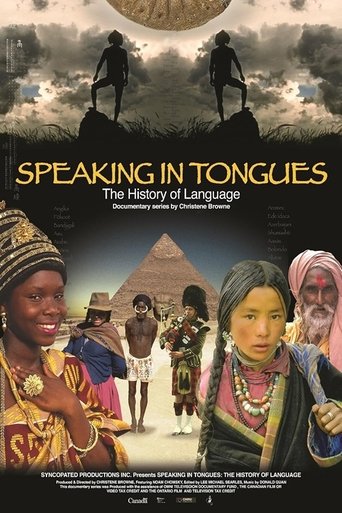
Speaking in Tongues: The History of Language
Currently there are more than 6,000 languages spoken around the world. This five-part series traces the history and evolution of language and attendant theories and controversies while evaluating the scope of linguistic diversity, the dissemination of language, the expansion of language into written form, and the life cycle of language.
Where to Watch
No streaming options found for United States. Try changing your region.
Trying to watch this from United States?
Some content may not be available in your region. Use a VPN to access streaming services from anywhere.
Unlock with NordVPNAffiliate link • We may earn a commission at no extra cost to you
Seasons & Episodes

1. Let There Be Words
What precisely is language, and how did humans acquire it? In an effort to answer those essential questions, this program journeys back to prehistoric times in search of language's origin. Additional topics include distinguishing features of human communication and what humankind's first utterances may have been. The early evolution and migration of humans and the development of the human brain is also considered.

2. Constant Change
In this program, John McWhorter, author of The Power of Babel: A Natural History of Language; Lyle Campbell, of the University of Utah; Brian Joseph, of The Ohio State University; and population geneticist Luigi Luca Cavalli-Sforza examine factors that contributed to the diversification and spread of languages, including early migration, the introduction of agriculture, and genes. Language transfer from mother to child and from one population to the next is also investigated, along with the concept of dialects and commonalities among the worlds more than 6,000 languages.

3. Mother Tongues
This program travels the globe as it surveys a large portion of the worlds languages—25 percent of which are spoken by a mere 0.1 percent of the Earths population. Moving from Africa to Oceania and up to Asia and then west to Europe and across the ocean to the Americas, the program assesses how many languages are spoken in each region, the characteristics they share, and misconceptions about them. Historical background on some of the key languages of the regions is included as well.

4. Civilization to Colonization
Writing is a relative latecomer to the history of language. This program tracks its emergence in Mesopotamia, China, and Mesoamerica and its down through the millennia via conquest—usually violent, sometimes benign—and colonization. The creation of creoles and pidgins resulting from the interaction of specific populations is also addressed, and speculation is made about the first things to be written down. Noam Chomsky; Peter , coeditor of The Worlds Writing Systems; the Manhattan Institutes John McWhorter; MITs Michel DeGraff; and Salikoko Mufwene, of The University of Chicago, contribute.
5. Life and Death
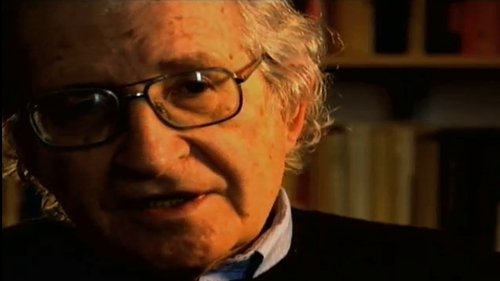
It is predicted that within a century more than half of the worlds languages will become extinct, but as languages are lost, new ones emerge naturally or are constructed. In this program, Noam Chomsky; Esperantist Thomas Eccard; endangered languages researcher Peter Ladefoged, and others provide insights into the language life cycle. Topics include constructed languages such as Esperanto, language endangerment and preservation, and the role of globalization in language obsolescence. The experts also discuss current language trends and offer their opinions on which languages may emerge as front-runners in the future.