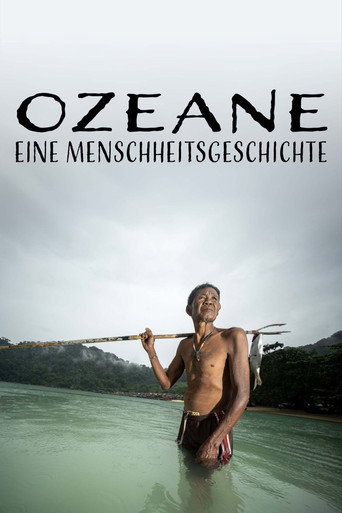
Oceans: A Human History
The story of humanity is told through the lens of the world's oceans. Focusing on the Atlantic, Pacific and Indian Oceans, the series explores how these vast bodies of water have shaped migration, trade, cultural exchange and the rise of civilizations for thousands of years. Ocean currents, tides and monsoon systems have influenced not only life along the coasts but also societies, economies and the global climate. Stunning natural imagery and the latest scientific insights offer a sweeping perspective on the enduring relationship between people and the sea.
Where to Watch
No streaming options found for United States. Try changing your region.
Trying to watch this from United States?
Some content may not be available in your region. Use a VPN to access streaming services from anywhere.
Unlock with NordVPNAffiliate link • We may earn a commission at no extra cost to you
Seasons & Episodes
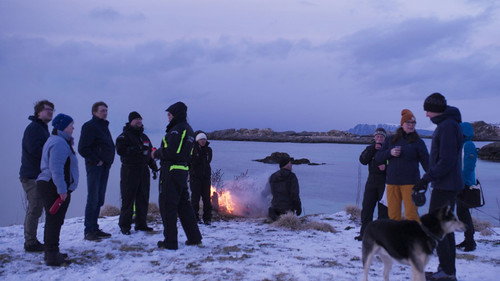
1. The Atlantic - ocean of storms
The Challenger: Shaped by powerful tides, currents and storms, the Atlantic has long been a central stage of human history. It connects continents and cultures, enabling exploration, exchange and global trade, while also bearing the legacy of darker chapters such as the transatlantic slave trade. Its forces are both destructive and life-sustaining, influencing climate and shaping the course of civilization.
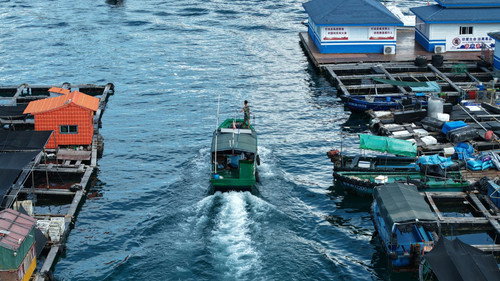
2. The Pacific - The sea of war and peace
The Diverse One: The Pacific, the world’s largest and oldest ocean, is a vast realm of life, once a barrier between continents and now a central hub of global trade and exchange. From the Bering Sea to distant island worlds, it carries traces of ancient land bridges and human migration while its depths hold both rich ecosystems and powerful natural hazards.
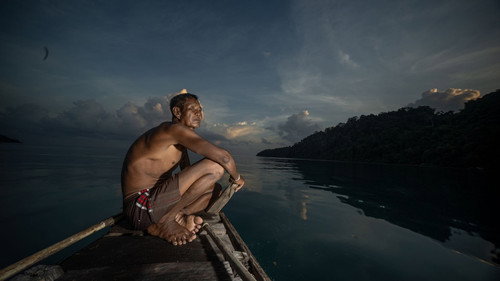
3. The Indian Ocean - In the eye of the monsoon
The Changeable: The Indian Ocean feeds hundreds of millions and has been a crossroads of trade, cultures and religions since the Bronze Age. Monsoon winds and currents shape coastal life and global exchange. Its warm waters and rich ecosystems form a dynamic system where unpredictability fosters adaptation, creativity and tolerance.
4. The Mediterranean - cradle of the world
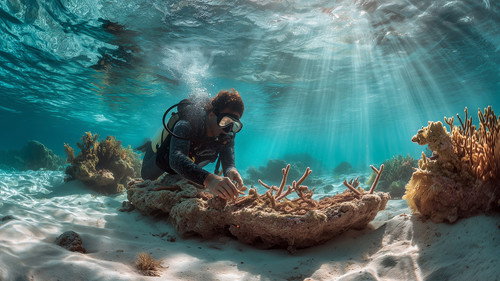
Long before European and Arab seafarers developed large ships with which they could discover and navigate the Indian Ocean, the Mediterranean was the pivotal point of world history. Protected by enclosing land masses and shallow waters, the comparatively young waters of the European Mediterranean, Totem, Caspian and Black Seas - all remnants of the primordial Thetys Sea - are seas of connection for the cultures on their coasts. They inspire shipbuilding and technology transfer, cultural exchange and progress, while they also clash in religious wars, pirates, crusaders and slavery. To this day, the similarities and differences between the cultures on the shores of the Mediterranean are more pronounced than on any other sea. And even in current geopolitics, they still play an important role, such as the Black Sea as Russia's only ice-free port.
5. The South Seas - a world of water
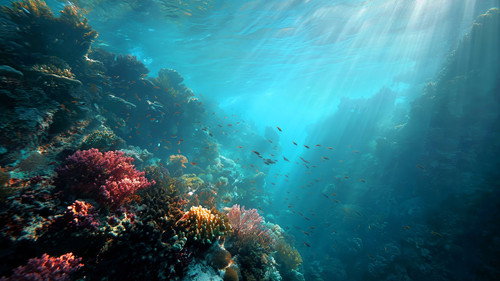
The South Seas are a warm version of the Pacific. An infinitely blue continent: expanses of water as far as the horizon, hardly any land. Only the tips of the sunken continent of Sahul rise out of the water and form a unique island world. The early pioneers of the sea had to cross thousands of kilometers to get from one island to the next. As a result, some of the world's oldest civilizations lived here in complete isolation - still evident today in the unique linguistic diversity of countries such as Papua New Guinea and Australia. Later, in the search for the fabled southern continent, the islands served as rest stops and gateways for colonization. The price of isolation was also nuclear weapons testing. Their legacy is their very own customs, such as the barter systems of the Polynesian islands and the ability of their inhabitants to read the sea by observing the animals.