First Flights with Neil Armstrong
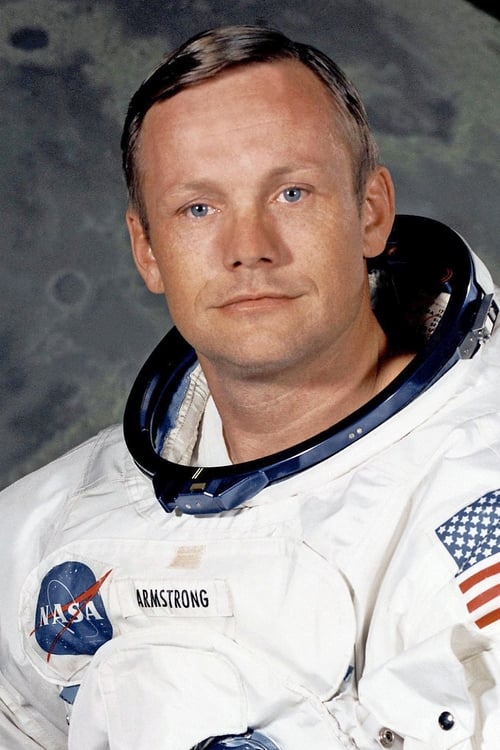
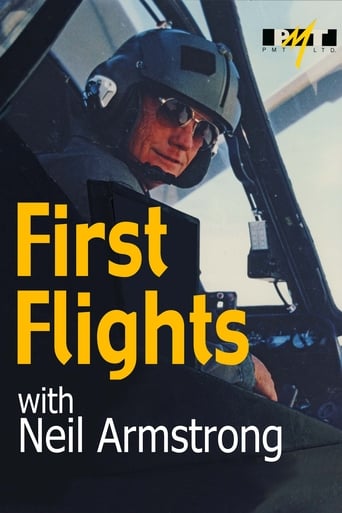
NASA Apollo astronaut Neil Armstrong adds to his long list of space flight & aviation accomplishments as he takes the controls of a variety of flying machines. Each episode blends historic footage, interviews, and flying. Armstrong takes you on an exhilarating adventure through time.
Where to Watch


Trying to watch this from United States?
Some content may not be available in your region. Use a VPN to access streaming services from anywhere.
Unlock with NordVPNAffiliate link • We may earn a commission at no extra cost to you
Seasons & Episodes
1. By the Seat of Their Pants
Using Lilienthal's glider research, the Wright brothers achieved controlled flight. The French reacted with renewed effort and Bleriot crossed the English Channel. Each airplane had its own personality and a pilot flew by his wits, instinct and luck.
2. Every Day a Better Design
Aviators separated into two groups: the airplane designer/builders and those who tried to master the art of flying. While French pilot Pegoud thrilled crowds by performing aerial loops, new airplanes pushed the bounds of speed and distance.
3. Flying Aces, War in the Air
WW1 gave the airplane a job, soon the battlefields were full of unarmed aircraft, peering down at the trenches, then carrying news of an impending attack. With a machine gun mounted on the cowling of a Morane-Saulnier Bullet, the fighter plane was born.
4. Flying Entrepreneurs
After the war, seasoned pilots who had once dueled with an enemy over the trenches, now performed aerobatics for spectators. Aviators as barnstormers quickly became an endearing folk hero; and also businessman carrying mail and passengers.
5. Flying the Mail
Airmail pioneers demonstrated that airplanes had a bright commercial future. The variety of aircraft was dazzling -- anything with wings was put to use. But conditions were harsh and pilots had to be hardy and brave to risk flying the mail.
6. Backyard Fliers: An Airplane in Every Garage
In the 1920s when just about anyone could afford a car, interest grew in a safe, inexpensive airplane that anyone could fly. Convenience went a step further in roadable aircraft -- vehicles that could travel the highways, then convert to an airplane.
7. First in Speed: Air Racing
From the early years of flight until the late 1930s, air racing was the single most important testing ground for engineering advancements. It provided a breathtaking combination of daredevil risk taking and technological innovation..
8. Bigger is Better
During the 1920's and 30's, designers believed that bigger is better. Airline companies were formed, requiring larger, more comfortable airplanes. With the limitations of early airfields for large planes, the flying boat became the queen of the sky.
9. Fighters Between the Wars
Nazi Germany and Imperial Japan redefined the arts of aerial warfare with their revolutionary aircraft designs. As the storm clouds gathered for the Second World War, the rest of the world slowly began to rise to the challenge.
10. Testing Under Fire
The first German WW2 air attacks destroyed most old biplane fighters. The Allies responded with new monoplane designs. Britain with the Hurricane and Spitfire. The US mobilized designers and builders and produced an incredible range of aircraft.
11. New Generation of Flyers
American industry entered the competition to create the world's best fighter -- one that was faster and carried more armament. A dramatic increase in horsepower produced the P-47 Thunderbolt, often claimed to be the fastest fighter of the war.
12. Air Battles At Sea
Light, maneuverable and capable of flying long distances, the Japanese Zero was the ideal air weapon for the island hopping Pacific war. While the Japanese built fleets of light, replaceable aircraft, the Americans opted for large, high-powered war birds.
13. Flash of Glory: Aerial Combat Enters the Jet Age
During WWII, the Messerschmitt 262, and the Gloster Meteor were introduced. With these first operational jet fighters, a new era in aerial combat had begun. As jet met jet over Korea, the MiG-15 proved Russia to be a a major power in jet development.